



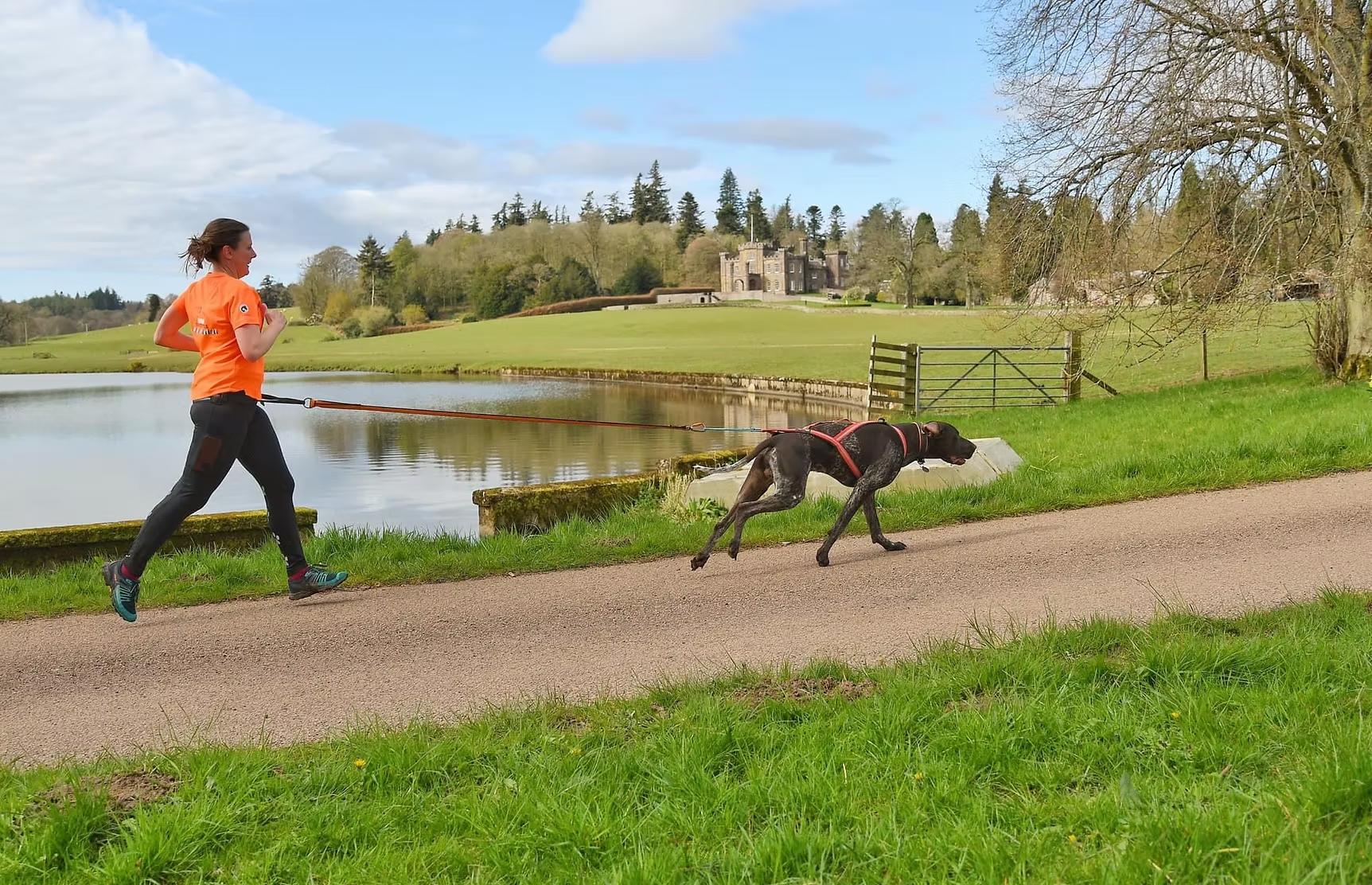
If you have a high-energy dog that pulls like a train on walks or has questionable recall once interesting smells appear, you’ve probably wished for a better way to exercise them safely. Enter canicross: the popular sport of cross-country running while attached to your dog.
Canicross originated in Europe in the early 1980s, primarily in France, influenced by the off-season training for the mushing (sled-dog) community in Northern Europe. Mushers needed a way to keep their dogs fit and conditioned during snow-free months, so they adapted the idea of running with dogs pulling ahead. What started as practical training quickly evolved into a standalone sport enjoyed by thousands across the UK, Europe, and beyond. The first events in the UK appeared around 2000, and it has grown steadily ever since, with national championships and even appearances at Crufts.
In its simplest form, canicross is running with your dog together as a team. It involves you wearing a waist or hip belt connected by a bungee line (shock-absorbing lead) to a running harness on your dog. The dog runs out front, towing you along trails while you run, jog, or even power-walk behind. The bungee helps smooth out the pull and protects both of you from sudden jolts.
Canicross has inspired several related “dog-powered” sports. Bikejoring sees your dog pulling you on a mountain bike (with a special attachment for safety). Skijoring replaces running with cross-country skiing in winter. There’s also scootering (dog pulling a kick-scooter), rollerjoring, and more. All share the same core idea: your dog uses its natural pulling instinct in a controlled, fun, and equipment-specific way.
Many people assume canicross is only for elite runners and athletic breeds, but that’s a myth. It’s incredibly accessible. While some runs are exhilarating; fast-paced, your heart beating out of your chest, down steep embankments, over twisty narrow paths, on rocky, muddy, or slippery ground, others are much more sedate; think a gentle jog with your dog happily trotting ahead of you on wide, flat countryside paths, enjoying the sound of birds tweeting nearby. Dogs don’t need to be greyhound-fast; many happily run along at their own leisurely pace, enjoying the outing and the company.
Is it good for dogs? When done responsibly, yes. It provides excellent physical exercise, mental stimulation (navigating terrain and working as a team), and strengthens the relationship with their human. It’s a fantastic outlet for high-energy dogs that might otherwise get into mischief at home.
Of course, there are risks to manage: overheating (especially in warmer weather), joint strain if introduced too young or intensely, poor harness fit causing discomfort, or injury on tricky terrain. That’s why proper equipment, gradual build-up, and learning to read your dog’s signals matter. But with sensible precautions, canicross is a safe and rewarding way to get outdoors together.
One of the biggest myths about canicross is that it’s only for super-fit runners and lightning-fast dogs. The truth is far more encouraging: almost any healthy adult dog (and any reasonably active owner) can enjoy it.
Size, breed, and current fitness level don’t disqualify you. From Dobermans to Dachshunds and everything in between, many different types thrive once introduced properly. If you can’t run yet, that’s fine too; plenty of people begin with power walking and build up gradually using Couch-to-5K style plans with their dog.
Training is straightforward and practical: simple commands like “let’s go”, “easy”, and left/right turns. You can borrow kit and join group runs right away, then develop skills at your own pace.
In the next post we’ll explore the many benefits of canicross and tackle the big worry: “Will my dog start pulling on every lead forever?”